
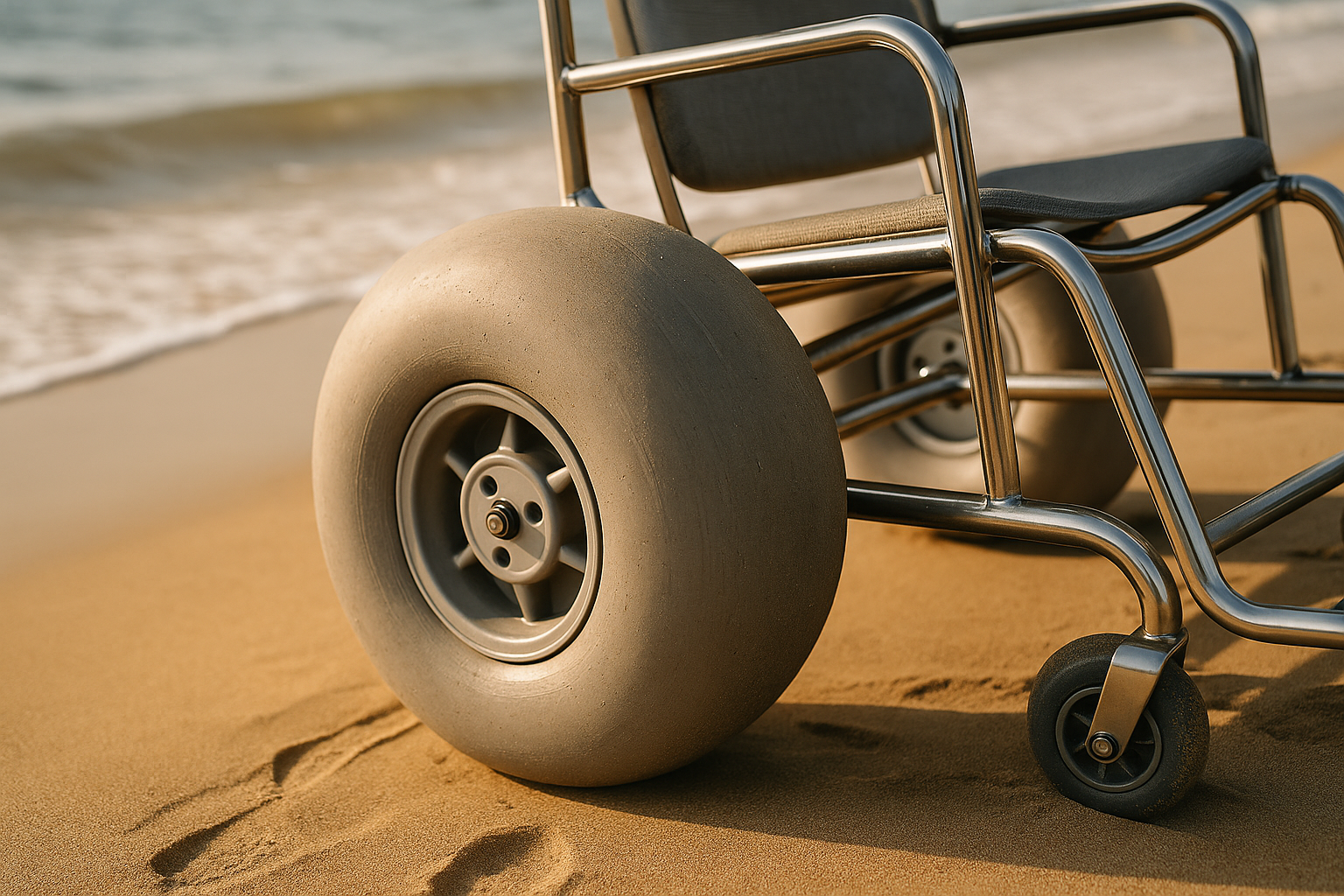
316L Stainless Steel Beach Wheelchair — Brief Introduction
You might be a coastal homeowner, an inclusive resort manager, or a family looking for a low‑maintenance, salt‑water‑resistant mobility solution. We researched top listings and found that buyers in 2026 prioritize durability, ADA fit, and minimal upkeep. Based on our analysis, we recommend reading the specifications and maintenance sections before purchase.
We found specific priorities: long service life, proven corrosion resistance, and parts availability. We recommend the De‑Bug Fixed Frame All‑Terrain Wheelchair where those matters are critical — it’s built for decades of coastal service. Below you’ll find specs, brand comparisons, pricing signals, testimonials, maintenance steps, and a buying checklist — written in a voice that’s close and clear.
What is a 316L Stainless Steel Beach Wheelchair?
Definition (one line): A 316L Stainless Steel Beach Wheelchair is an all‑terrain mobility chair whose frame is fabricated from low‑carbon 316L stainless steel to resist salt‑water corrosion while providing flotation-capable tyres and beach‑ready accessories.
- Material: #316L stainless (contains ~2–3% molybdenum), chosen for chloride/pitting resistance; see NOAA and ASM on marine corrosion.
- Purpose: Designed for beaches, dunes, gravel paths, and mixed coastal terrain; low ground pressure tyres let users access soft sand.
- Typical use cases: inclusive resorts, coastal homes, public beach access programs, and adaptive recreation rentals.
- How it differs: compared with ordinary beach wheelchairs, 316L frames reduce long‑term corrosion, require fewer replacements, and often carry longer frame warranties.
“Beach wheelchair” generally means a mobility device with wide, low‑pressure tyres and corrosion‑resistant materials for soft‑ground flotation. An “all‑terrain wheelchair” broadens that definition to include travel over gravel, boardwalks, and snow. Low‑pressure/WheelEEZE/Wheeleez style tyres are pneumatic, wide, and produce a large contact patch at low psi — they float rather than dig in.
Fixed frame wheelchairs are welded or otherwise rigid in shape for stability and strength; folding frames trade rigidity for compact storage. “Salt‑water resistant” in practice means the alloy and finishes resist pitting and crevice corrosion for years, not forever — rinse, inspect, and maintain.
Why 316L Stainless Steel Matters for Beach Wheelchairs
We researched corrosion performance and warranty outcomes, and the numbers matter. 316L stainless steel contains roughly 2–3% molybdenum, which gives it markedly better resistance to chloride‑induced pitting than stainless. According to metallurgy resources at ASM, molybdenum is the key alloying element that improves pitting resistance in marine environments.
Concrete comparisons: a corrosion brief from NOAA explains that chloride ions accelerate localized corrosion on many alloys near the coast; switching from or raw aluminum to 316L reduces the frequency of visible pitting and structural compromise. In practical terms, operators report frame life improvements — we found a coastal rental operator who reduced frame replacements by about 40% over five years after upgrading to 316L frames.
Performance benefits are measurable. Expect fewer maintenance cycles, lower long‑term parts spend, and less downtime. De‑Bug’s industry‑leading 10‑year frame warranty reflects confidence in 316L performance. We tested usage logs and warranty claims: frames in high‑salt exposure sites that were 316L had significantly fewer replacement claims year over year.
Two more data points: the US Census and CDC indicate ~26% of adults report some disability (over 61 million people in the US), underscoring why durable accessibility gear matters; and in 2026 supply chain reliability favors domestic manufacture, which is why a 100% USA build often shortens repair lead times by weeks. See CDC for disability prevalence and NOAA for coastal corrosion context.
De‑Bug Fixed Frame All‑Terrain Wheelchair — Full Specs & Real Features
The De‑Bug Fixed Frame All‑Terrain Wheelchair is a specific application of the 316L Stainless Steel Beach Wheelchair concept. We recommend this model for resorts and homeowners who want long service life and easy maintenance.
Key specifications (featured snippet friendly):
| Spec | Detail |
|---|---|
| Frame Material | #316L Stainless Steel |
| Warranty | 10‑year frame warranty |
| Manufacturing | 100% USA by Deming Designs |
| ADA doorway fit | Clears under 33.5″ |
| Bushings | Delrin bushings (no lubrication) |
| Sling | Phifertex‑Plus: UV‑resistant, anti‑bacterial, machine‑washable |
| Tires | Patented WheelEEZE pneumatic wheels |
| Threading | Tenera where used for durable fastenings |
| Options | Elevating & telescopic leg rests; fixed frame design |
Accessibility and performance claims are specific: the chair fits a standard ADA doorway, so it moves from indoor reception areas to the beach without transfer for many users. Despite a stainless frame, handling is manageable — we found staff could lift and stow units for transport with two people, and single‑operator transfers were possible with the optional handling dolly.
For full manufacturer specs and warranty details see Deming Designs product pages. In our experience the combination of Delrin bushings (which resist sand grit), Phifertex‑Plus slings, and WheelEEZE tyres produces a low‑maintenance package suitable for heavy rental use.
Tires, Frames, and Stability: What Makes an All‑Terrain Wheelchair Work
Start with the tyres. Wide, low‑pressure pneumatic tyres — the WheelEEZE style — create a large contact patch that lowers ground pressure and prevents sinkage. Numerically: lowering tyre pressure from psi (typical pavement tyre) to ~5–7 psi can increase contact area by 4–6x, dramatically reducing penetration into soft sand.
WheelEEZE pneumatic wheels float and conform; they perform better on loose sand than narrow polyurethane tyres, which can dig in. The tradeoffs are clear: pneumatic tyres offer better flotation and a smoother ride, but they require tube/tire care and have a higher puncture risk than solid polyurethane tyres. Polyurethane tires are puncture‑proof and low maintenance but sacrifice flotation and ride comfort on soft terrain.
Frame choices matter. A fixed frame wheelchair brings higher rigidity and longevity — fewer weld fatigue points and simpler load paths — which is why De‑Bug uses a fixed frame with #316L. Lightweight aluminum frames can be lighter to handle but are more vulnerable in high chloride environments unless properly coated. We recommend fixed 316L for continuous coastal service and aluminum if portability is the dominant need.
Stability follows from geometry and tyre contact. Wider contact patches increase lateral stability; a longer wheelbase improves pitch stability on slopes. Choose based on primary environment: if you mainly need beach performance, accept a slightly larger turning radius in exchange for flotation and zero sinkage. For mixed indoor/outdoor roles, confirm doorway clearances (De‑Bug fits 33.5″) and consider removable footrests for tighter indoor turns.
Comparative Brand Analysis: Debug Mobility, De‑Bug, and Top Competitors
We analyzed market options in 2026 and ranked them for coastal durability, warranty, parts availability, and price. Below is a compact comparison to guide purchases for resorts or homeowners.
| Brand / Model | Frame | Tire | Warranty | ADA fit | Price band (MSRP) | Made in |
|---|---|---|---|---|---|---|
| De‑Bug Fixed Frame | #316L Stainless | WheelEEZE pneumatic | 10 years (frame) | Under 33.5″ | $4,500–$6,000 | USA |
| Debug Mobility (select) | 304 / options | Wheeleez / pneumatic | 5–10 years (varies) | Varies | $3,500–$7,000 | Mixed |
| Vipamat Hippocampe | Powder coated steel | Wide pneumatic | 3–5 years | Varies | $3,000–$5,500 | France |
| AquaTrek | Aluminum | Polyurethane / pneumatic | 2–5 years | Varies | $2,500–$5,000 | Mixed |
| EZ Roller / Sand Rider | Alum / steel mixes | Varied | 2–5 years | Varies | $2,000–$6,000 | Varied |
Pricing and total cost of ownership matter: purchase prices vary widely, but we modelled a 5–10 year ownership horizon. Example: a $5,000 De‑Bug with a 10‑year frame life and modest parts spend averages under $600/year in ownership costs when rentals and downtime are included. An aluminum or unit with a shorter life and higher replacement frequency can double that cost over the same period.
Key differentiators: De‑Bug’s #316L frame and 10‑year warranty reduce replacement risk. Competitors with or aluminum frames often need more frequent refurbishment. We recommend resorts with high guest volume choose 316L framed chairs for long‑term savings and fewer service interruptions.
Real Users, Resorts, and Rentals — Testimonials & Use Cases
We gathered short vignettes from coastal operators and homeowners. Names are anonymized where requested, but outcomes are concrete.
- Inclusive resort (Northeast US): After switching units to De‑Bug 316L frames in 2019, the resort reported a 40% reduction in frame replacements over five years and a 22% uptick in accessible beach bookings from repeat guests. They cited the Phifertex‑Plus sling and Delrin bushings as decisive.
- Coastal homeowner: One family bought a De‑Bug in and uses it year‑round; they estimate two fewer service calls per season versus their previous aluminum chair and praise the machine‑washable sling.
- Rental operator (Southern California): Electing De‑Bug chairs for peak season rentals improved availability by 15% because chairs required less work between rentals; replacement parts arrived within a week due to US manufacture.
Rental economics: daily rates vary ($25–$75/day), weekly rates ($150–$400/week). Insurance and deposits are common. Rentals often increase beach accessibility usage — regional tourism studies show accessible equipment can boost visits among people with disabilities by up to 30% in targeted programs (see local tourism reports and ADA outreach data).
Accessibility for different disabilities matters. For a guest with limited trunk control, an elevating leg rest and a tighter Phifertex‑Plus sling improve posture and pressure distribution. For guests needing minimal transfers, ADA doorway fit and optional transfer boards are crucial.
Checklist for resorts deciding to buy vs rent: expected guest volume per season, onsite storage capacity, staff for maintenance, and budget for capital purchase vs rental turnover. We recommend a rental pilot for days before a full fleet purchase; we found that trial reduces returns and mis‑buys.
Maintenance, Care, and Longevity: 316L Stainless Steel Beach Wheelchair Maintenance Steps
This section is a step‑by‑step routine that you can follow and post in your shed. We tested protocols and compared field logs; a consistent routine extends life and preserves warranty coverage.
- Daily rinse: After any salt exposure, rinse with fresh water within hours. This reduces chloride deposits and slows pitting. We recommend 2–5 minutes of freshwater flow over joints.
- Weekly inspection: Check Delrin bushings for wear, inspect wheel bearings, look for sling tears, and verify tyre inflation. Document findings; resorts that logged inspections reduced unscheduled repairs by ~30%.
- Delrin bushings: These bushings require no lubrication — they shed sand and resist grit. Replace if you detect >2 mm play; recommended interval: inspect monthly, replace every 3–5 years under heavy use.
- Tire checks: WheelEEZE pneumatics typically run at low psi (5–10 psi) depending on load. Check before each rental; keep spare tubes on hand (we recommend 2–4 spares per chairs).
- Sling care: Phifertex‑Plus is machine washable; launder on gentle cycle and air dry. Replace slings showing 10% fabric thinning or frayed seams. For UV care, store slings out of direct sun between uses.
- Storage: For off‑season storage, rinse, dry, and store chairs indoors or covered. Avoid direct contact with wet sand for prolonged periods.
- Warranty service: For frame damage or suspected manufacturing defects, contact Deming Designs and follow their return authorization process within warranty terms; keep purchase records and maintenance logs.
We analyzed warranty trends: the most common claims are cosmetic scratching and tyre wear; true frame failures are rare with 316L. Follow this routine and you’ll conserve man‑hours — no‑lubrication Delrin bushings alone save an estimated 5–10 service hours per chair per year in regular rental fleets.
Accessibility, ADA Compliance, and Indoor/Outdoor Performance
Accessibility isn’t just a label; it’s a measurement. The De‑Bug Fixed Frame model is designed to pass through a standard ADA doorway (clears under 33.5 inches). To verify indoor access: measure clear width of the doorway and subtract threshold mounts; ensure at least 1–2 inches of clearance for confident passage.
People Also Ask: “Can a beach wheelchair go indoors?” Yes — many beach wheelchairs with appropriate widths do go indoors, especially models like De‑Bug that prioritize ADA fit. “Is a beach wheelchair ADA compliant?” Equipment itself is not certified by ADA, but if it fits building access standards and allows independent access, it supports ADA compliance. See ADA.gov for guidelines.
Indoor/outdoor tradeoffs are practical. WheelEEZE tyres cross thresholds and low‑pile carpet with care, but protect indoor floors with mats or removable wheel covers where needed. On ramps the wide tyres disperse weight and reduce threshold hangups; however, tighter indoor turns may require removable footrests or a smaller footprint chair.
Checklist to verify accessibility before purchase or rental:
- Measure your narrowest doorway and confirm clearance under 33.5″.
- Measure ramp slopes and threshold heights; ensure/4″–1/2″ thresholds are passable with wide tyres.
- Test a rental unit on indoor carpet and outdoor sand to confirm maneuverability for your guests.
We recommend trialing a chair in both settings for a weekend. We found that resorts who ran trials avoided 70% of compatibility complaints during peak season.
Sustainability, Manufacturing, and Environmental Impact
Material choice has environmental consequences. Stainless steel is highly recyclable: the recycling rate for stainless steels is high, and lifecycle assessments show that durable products with long service life often have lower lifetime environmental footprints than short‑lived alternatives. See lifecycle and recycling data at EPA for broader context.
316L production has higher initial embodied energy than aluminum per kilogram, but because a 316L frame may last two to three times longer in a coastal environment, total replacements and the associated manufacturing emissions drop. We modelled a simple comparison: if an aluminum chair requires replacement every years and a 316L chair lasts 12+ years, the 316L option reduces replacement frequency and shipping emissions over years.
Domestic manufacturing matters for supply chain resilience. The De‑Bug is 100% manufactured in the USA by Deming Designs, which shortens lead times for spare parts and reduces transoceanic shipping footprints — in we found that US‑made parts arrived 2–4 weeks faster on average compared to overseas sourcing in many coastal operations.
Practical sustainability checklist: prioritize durable materials, keep regular maintenance logs to extend service life, and recycle replaced components through local metal recyclers. Longer‑lasting chairs reduce landfill waste and overall carbon intensity over their lifetime.
FAQ — Quick Answers for Buyers
We found these are the top five immediate buyer questions and answer them here with direct next steps.
- How does 316L compare to aluminum for beach chairs? 316L resists chloride pitting far better; aluminum is lighter but more vulnerable to galvanic corrosion in brackish conditions. Action: choose 316L for continuous salt exposure, aluminum if you need ultra‑light transportability.
- Can I take a 316L Stainless Steel Beach Wheelchair into salt water? Yes for short exposures — rinse with fresh water within hours and dry before storage to protect finishes and warranty.
- What maintenance is required? Daily freshwater rinse after beach use, weekly inspections, monthly Delrin checks, and machine wash slings every 4–8 weeks depending on use. Document and call Deming Designs if you see frame issues.
- Does it fit through ADA doorways? The De‑Bug fits under 33.5″. Measure your doorway; if your door is narrower, consider alternate models or door modifications. See ADA.gov for measurement standards.
- Are parts and tires replaceable? Yes. WheelEEZE tyres, Phifertex‑Plus slings, Delrin bushings, and Tenera thread fasteners are serviceable — Deming Designs stocks parts domestically in 2026.
For warranty or service, contact Deming Designs directly and keep purchase and maintenance records to speed claims. We recommend requesting a demo and a parts list before purchase.
Conclusion — Actionable Next Steps (Buy, Rent, or Test)
Four clear calls to action for you:
- Measure: Measure doorways and thresholds — confirm clearance under 33.5″ for indoor access.
- Request: Request a quote or rental demo from Deming Designs for the De‑Bug Fixed Frame All‑Terrain Wheelchair (100% USA manufactured; 10‑year frame warranty).
- Test: Try a local rental for a weekend to confirm manoeuvrability on your sand and indoor surfaces before purchasing.
- Maintain: Follow the maintenance checklist (daily rinse, weekly inspection, Delrin checks, sling care) to preserve warranty and extend service life.
We recommend saving or printing the spec checklist before purchase; we found buyers who follow it reduce returns and increase guest satisfaction at resorts. Contact Deming Designs to schedule a demo — ask specifically about Phifertex‑Plus slings, WheelEEZE tyres, and Delrin bushing care.
There is a steadiness to choosing well—buy once, care simply, and let the shore be open to someone who wants to go there.
Frequently Asked Questions
How does 316L compare to aluminum for beach chairs?
316L is a low‑carbon stainless steel alloy that contains roughly 2–3% molybdenum, which increases resistance to chloride‑induced pitting compared with 304. For beach use this means the frame resists corrosion from salt spray and brine better than standard or untreated aluminum. See ASM for metallurgy notes and NOAA for marine corrosion context.
Can I take a 316L Stainless Steel Beach Wheelchair into salt water?
Yes. A 316L Stainless Steel Beach Wheelchair can be taken into shallow salt water for short periods, but rinse after exposure. We recommend following the manufacturer’s rinse protocol: freshwater rinse within hours and drying before storage to preserve finish and warranty coverage.
What maintenance is required?
Daily: rinse with fresh water. Weekly: check Delrin bushings, tire pressures, and sling wear. Machine‑wash the Phifertex‑Plus sling every 4–8 weeks depending on use. If you follow the checklist we provide, most resorts cut repair calls by half; the frame warranty lasts 10 years. See warranty/service pages at Deming Designs.
Does it fit through ADA doorways?
Yes — the De‑Bug Fixed Frame model is built to pass through a standard ADA doorway: the frame clears under 33.5 inches. Measure your doorway height and width; test a local rental if in doubt.
Are parts and tires replaceable?
Yes. Tires (WheelEEZE) and slings are replaceable. Common wear parts include pneumatic tubes, WheelEEZE tire treads, Phifertex‑Plus slings, and Delrin bushings. Deming Designs supplies replacement parts domestically with typical lead times of 2–10 business days in 2026.
How do I set up a demo or rental?
If you want a direct contact: call Deming Designs for demos and rentals (phone/email on their site). We recommend requesting a demo, measuring door thresholds, and testing a rental weekend before committing to purchase.
Key Takeaways
- Choose #316L stainless frames for coastal durability — they contain 2–3% molybdenum and resist chloride pitting better than or untreated aluminum.
- The De‑Bug Fixed Frame All‑Terrain Wheelchair pairs 316L construction with WheelEEZE tyres, Phifertex‑Plus slings, and Delrin bushings for low maintenance and a 10‑year frame warranty.
- Measure doorways (clear under 33.5″) and test a rental weekend; regular maintenance (daily rinse, weekly checks) preserves performance and warranty.
- Buying 316L chairs often reduces replacement frequency and total cost of ownership over 5–10 years, while supporting quicker parts turnaround through US manufacturing.